




Rancho Cucamonga Water Damage Restoration
24/7 Emergency Response: (951) 579-4096
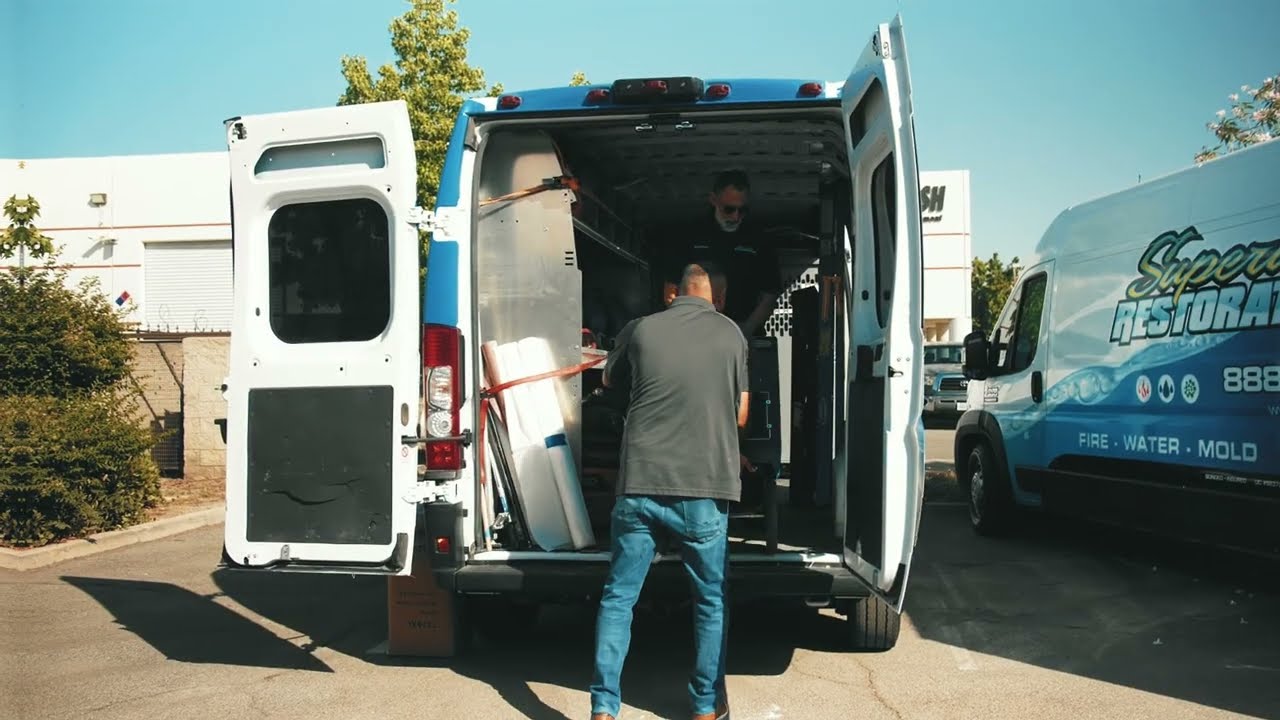
Superior Restoration serves the City of Rancho Cucamonga from our Lake Elsinore headquarters, 38 miles south via the 15 and 210 freeways. Our IICRC-certified technicians respond to Rancho Cucamonga water damage emergencies within 40 to 50 minutes, equipped with truck-mounted extraction systems and commercial drying equipment. We have been restoring properties throughout the Inland Empire since 2010.
Why Rancho Cucamonga Has Elevated Water Damage Risk
Water damage restoration in the City of Rancho Cucamonga means working at the base of the San Gabriel Mountains, where three major creek systems funnel runoff directly into residential neighborhoods. The combination of mountain hydrology, post-fire debris flow risk, and a housing stock entering its first failure window creates conditions that generic restoration companies do not account for.
Three Creeks From the Mountains
Cucamonga Creek, Deer Creek, and Day Creek all originate high in the San Gabriel Mountains and flow south through the city. Cucamonga Peak towers at 8,859 feet directly above town. When atmospheric rivers hit the San Gabriels, rainfall at elevation can exceed 4 inches in 24 hours — all of it funneling downhill through these three channels. The San Bernardino County Flood Control District maintains debris basins at each creek mouth (Cucamonga Basin, Deer Creek Basin, Day Creek Basin), but extreme events overwhelm them.
The December 2010 storms overtopped the Deer Creek debris basin and sent water and sediment through the Etiwanda neighborhood north of the 210 freeway. Properties along the channel took mud, rocks, and water through their backyards. The basins have been expanded since then, but the underlying risk has not changed. Mountains generate water. Creeks carry it downhill. Houses sit at the bottom.
Post-Fire Debris Flow — The Compounding Threat
The 2003 Grand Prix Fire burned 59,000 acres in the San Bernardino Mountains directly above Rancho Cucamonga. Fire strips the vegetation that holds soil on slopes and creates a hydrophobic layer in the soil itself. For 3 to 5 years after a major fire, runoff increases dramatically and carries mud, ash, and rock debris into the creek systems. The homes along the northern edge of Rancho Cucamonga — Alta Loma, the Etiwanda foothills, and the neighborhoods near Banyan Street — face the combined risk of water and debris during post-fire rainy seasons.
This is not a historical footnote. The October 2024 high wind events raised fire concerns along the same foothill interface. One significant fire above Rancho Cucamonga could reset the debris flow clock for another 5 years.
Housing Entering the Failure Window
Rancho Cucamonga incorporated in 1977 and built out rapidly through the 1980s and 1990s. The Terra Vista planned community went in during the 1980s and early 1990s. Victoria Gardens-area development followed in the 2000s. That means a huge portion of the city’s housing stock is now 25 to 45 years old — squarely in the range where first-generation plumbing, water heaters, and appliance connections start failing.
The Alta Loma hillside homes from the 1970s and 1980s face a double problem. They are the oldest residential properties in the city and the closest to the mountain runoff channels. Aging plumbing inside, debris flow risk outside.
Common Water Damage Causes in Rancho Cucamonga
Mountain Runoff and Debris Flows
Homes north of the 210 freeway in the Etiwanda and Alta Loma areas face direct exposure to mountain runoff. During extreme storm events, water carrying mud and debris overwhelms the channel system and reaches residential properties. This is Category 3 water — contaminated with soil, organic material, and bacteria — requiring full extraction, antimicrobial treatment, and contaminated material removal. Standard homeowner’s insurance does not cover external flooding. FEMA flood insurance is required.
Slab Leaks in Terra Vista and 1980s Construction
Terra Vista homes built on slab foundations during the 1980s have copper supply lines that have been subjected to San Bernardino County’s hard water (250+ parts per million) and soil expansion cycles for 35 to 40 years. Pinhole leaks develop at stress points beneath the slab. You notice a warm spot on the floor, an unexplained water bill increase, or the faint sound of water running when nothing is on. By the time the signs are obvious, water has been saturating the sub-slab soil for weeks.
Water Heater Failures
Hard water in Rancho Cucamonga deposits calcium and mineral sediment inside water heater tanks, insulating the heating element and accelerating corrosion. Tanks rated for 12 years routinely fail between 7 and 9 years here. Homes in the Terra Vista, Victoria Gardens, and central Rancho Cucamonga areas have thousands of water heaters approaching or past this threshold. Garage installations are most common, and the slope of most garage floors pushes water directly toward the interior door.
Second-Floor Plumbing in Two-Story Homes
Much of Rancho Cucamonga’s 1990s and 2000s housing is two-story construction with bathrooms and laundry on the second floor. When a supply line, drain connection, or washing machine hose fails upstairs, water travels through floor cavities and ceiling spaces into the rooms below. These cascade events damage multiple rooms and require extraction and drying on both floors simultaneously.
Our Water Damage Restoration Process for Rancho Cucamonga
Call (951) 579-4096. Our Lake Elsinore headquarters is 38 miles from Rancho Cucamonga via the 15 to the 210. Typical response time is 40 to 50 minutes. For addresses in southern Rancho Cucamonga near the 10 freeway, closer to 40 minutes.
Assessment: Thermal imaging and moisture meters map the full scope of water intrusion, including inside walls and beneath flooring. For debris flow events, we assess structural integrity before beginning extraction.
Water Extraction: Truck-mounted extraction equipment removes standing water. Debris flow events require specialty equipment for sediment-laden water removal.
Structural Drying: Commercial air movers and dehumidifiers bring materials to target moisture levels. Daily moisture readings at documented checkpoints track drying progress. Rancho Cucamonga’s dry climate helps during summer, but winter events require aggressive dehumidification.
Cleaning and Sanitization: Standard pipe bursts get antimicrobial treatment on affected surfaces. Mountain runoff and debris flow water gets the full Category 3 protocol — contaminated material removal, deep sanitization, and air quality testing.
Reconstruction: Drywall, flooring, cabinetry, and painting handled by our in-house team. One company from emergency response to finished rebuild.
Water Damage Restoration Cost in Rancho Cucamonga, CA
Restoration costs in Rancho Cucamonga typically run from $2,800 for a single-room pipe burst to $15,000 or more for multi-room events or debris flow damage. Rancho Cucamonga’s median home values exceed the Inland Empire average, and restoration costs reflect the higher-quality finishes and materials common in the area. Most homeowners pay between $4,000 and $9,000 for a standard water damage event.
Insurance covers sudden and accidental water damage. It does not cover gradual leaks, external flooding, or debris flows. For mountain runoff events, separate FEMA flood insurance is necessary. We document every job with photographs, moisture readings, and thermal imaging for insurance claims.
Why Rancho Cucamonga Homeowners Choose Superior Restoration
Inland Empire Expertise: Headquartered in Lake Elsinore since 2010, we understand San Bernardino County’s specific challenges — hard water damage, mountain runoff, post-fire debris flow contamination, and expansive soil stress on foundations.
IICRC Certified: All technicians certified by the Institute of Inspection, Cleaning and Restoration Certification. S500 water damage and S520 mold remediation protocols followed on every job.
367 Google Reviews, 4.9-Star Average: Across four offices in Lake Elsinore, Murrieta, San Diego, and Anaheim.
Full-Service Restoration: From emergency extraction through final reconstruction, we handle every phase. No subcontractors, no gaps between companies.
Debris Flow Experience: We respond to mountain runoff and debris flow events throughout the San Gabriel and San Bernardino mountain foothills. Category 3 water remediation is part of our core capability.
Common Questions About Water Damage in Rancho Cucamonga
How fast can you get to Rancho Cucamonga?
Our Lake Elsinore office is 38 miles away via the 15 and 210 freeways. Response time runs 40 to 50 minutes. For southern Rancho Cucamonga near the 10, closer to 40 minutes. We respond around the clock, 365 days a year.
Is debris flow damage covered by insurance?
Standard homeowner’s insurance does not cover external flooding or debris flows. You need separate flood insurance through FEMA. If you live in the Alta Loma or Etiwanda foothill areas within a FEMA flood zone, your mortgage lender may require it. We handle restoration and documentation regardless of coverage type.
How long does water damage restoration take?
Water extraction and drying run 3 to 5 days for most jobs. Debris flow events with sediment contamination can extend the extraction phase. Full reconstruction adds 1 to 4 weeks. Single-room events are typically done in 2 weeks. Multi-room flood damage takes 4 to 6 weeks.
My Terra Vista home has the original plumbing from the 1980s. Should I be concerned?
Homes from that era have 35 to 40-year-old copper supply lines, cast iron drains, and water heaters that have cycled through San Bernardino County’s hard water for decades. Slab leaks and supply line failures are common in this vintage of construction. If you have never had a plumbing inspection, it is worth the investment.
Does Rancho Cucamonga’s hard water affect plumbing lifespan?
San Bernardino County water exceeds 250 parts per million hardness in most zones. That mineral content deposits calcium inside pipes and dramatically shortens water heater lifespan — from 12 years to 7 or 8. Pipes deteriorate faster too. Hard water is a slow-motion contributor to every plumbing failure we respond to in this area.
Do you handle reconstruction or just the drying?
We handle everything. Drywall, flooring, cabinetry, trim, painting — our in-house reconstruction crew takes the project from demolition through final finishes. You deal with one company from the first emergency call to the last coat of paint.
Contact Superior Restoration for Water Damage in Rancho Cucamonga
Call our 24/7 emergency line at (951) 579-4096 or contact us online.
Serving Rancho Cucamonga from our Lake Elsinore Headquarters
Superior Restoration — 532 3rd Street, Lake Elsinore, CA 92530
(951) 579-4096
CSLB License #983759 | IICRC Certified Firm
Founded 2010 by Skylar Lewis | Part of HighGround Restoration Group