




Water Damage Restoration in San Clemente, CA
24/7 Emergency Response: (951) 579-4096
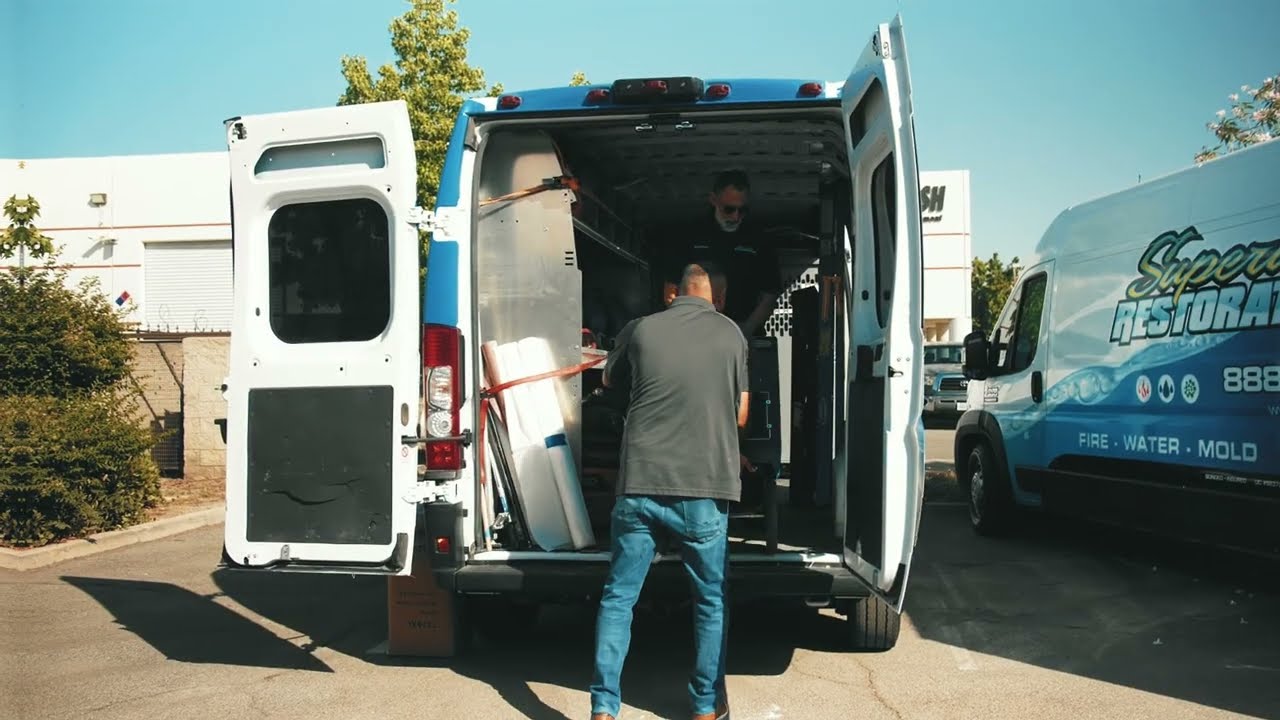
Superior Restoration provides water damage restoration throughout the City of San Clemente from our Anaheim office at 1260 South Simpson Circle. Our IICRC-certified technicians arrive with truck-mounted extractors, commercial air movers, and moisture-mapping equipment to handle everything from a burst pipe to slope-driven storm intrusion. We have been drying out and rebuilding water-damaged homes across Orange County since 2010. San Clemente is the southernmost city in the county, built on coastal bluffs and steep hillsides, and the way water damage shows up here has more to do with terrain than almost anywhere else we serve.
Why Water Damage in San Clemente Is a Terrain Problem First
Most Orange County cities are flat, fully built grids where water damage starts at a fixture and stays inside the home. San Clemente is different. The city covers about 19 square miles of bluffs, canyons, and hillsides dropping toward the Pacific, and that topography drives the local water story. Rain does not just fall on roofs here, it runs downhill, collects against slopes, saturates graded soil, and finds its way into homes from the uphill side. Add the older 1920s and 1930s housing near the coast and the steep custom homes built into the hills, and you get a water-damage profile split between two worlds: the aging Spanish Village by the Sea and the modern hillside neighborhoods above it.
Ole Hanson’s Spanish Village by the Sea
San Clemente was founded in 1925 when Ole Hanson, a former Seattle mayor, bought roughly 2,000 acres and designed a planned Spanish Colonial Revival town. The city incorporated in 1928. The oldest homes, concentrated in Southwest San Clemente and the North Beach area, date to that founding era and carry the red-tile roofs and white stucco walls Hanson required. Homes that age carry the plumbing of their age: galvanized steel supply lines that corrode shut from the inside, older cast iron drains that crack with time, and original wood framing and lath-and-plaster walls behind the stucco. When a line fails in one of these homes, the water reaches materials that hold moisture far longer than modern drywall, and many of these properties sit on raised foundations where water can pool in a crawlspace unseen for days. Drying these homes is slower, more deliberate work than the square footage suggests.
The Hillside and Bluff Homes Above
Above and inland from the old town, San Clemente climbs into hillside neighborhoods and the newer master-planned community of Talega. Many of these homes are custom builds set into graded hillsides and along coastal bluffs, with the living space stepped down a slope and garages or foundations cut into the grade. Newer construction does not make them immune. These homes face a failure mode the flatland cities rarely see: water moving downhill through saturated soil and pressing against the uphill side of a foundation. A clogged hillside drain or a saturated slope after a storm can push water through a foundation wall, a garage slab, or a lower-level threshold. The home upstream is fine. The home downhill takes the water.
San Clemente’s Watershed and Storm Picture
San Clemente sits between two coastal watersheds. The Prima Deshecha and San Juan Creek drainage systems carry the city’s runoff toward the ocean, and the canyons that thread through town are the natural paths water takes when it rains hard. Average annual rainfall is low, around 10 to 11 inches, but that number hides the real risk. The threat is not steady rain, it is the intense atmospheric river storm that drops a season’s worth of water in a day or two onto slopes that are normally bone dry. Dry coastal soil does not absorb a sudden deluge well. It sheds it downhill fast.
That runoff is where San Clemente’s worst water events come from. Canyon drainage and storm channels that handle ordinary rain get overwhelmed during a peak storm, water sheets across roads and yards, and it ponds at the bottom of every grade and against every downhill wall. The same instability that closed the city’s coastal beach trail to landslides shows up at the property level too: saturated slopes shift, hillside drains clog, and water that should have run to the canyon ends up in a lower-level room instead. This external storm intrusion is a separate problem from a burst pipe, and it matters for coverage, because standard homeowner’s policies do not pay for surface flooding or runoff from outside. That falls under FEMA flood insurance.
Common Water Damage Causes in San Clemente
Slope and Bluff Drainage Intrusion
This is the San Clemente-specific pattern. Homes built into hillsides and along the coastal bluffs depend on area drains, French drains, and graded swales to move stormwater around and away from the structure. When those systems clog or get overwhelmed during a heavy storm, water pools against the uphill foundation and pushes through wall cracks, cold joints, and lower-level thresholds. We see it in garages cut into a grade, in lower-level rooms on stepped hillside lots, and at the base of retaining walls. We extract the water, identify the intrusion path, and dry the structure, then document the drainage failure for the homeowner and the adjuster.
Galvanized and Cast Iron Failures in Older Coastal Homes
The 1920s and 1930s homes in Southwest San Clemente and North Beach often still carry original galvanized supply lines and cast iron drains. Galvanized steel corrodes inward until a joint breaches at full municipal pressure, and cast iron cracks with age. Behind stucco and lath-and-plaster walls, in homes nearly a century old, that water reaches original framing and floors that have to be dried and preserved rather than torn out. The coastal salt air does these older metal systems no favors either, which is why failures in this part of town tend to come without much warning.
Storm Runoff and Canyon Flooding
During significant storms, San Clemente’s canyon drainage and street storm drains can fall behind peak runoff. Water sheets down the grades, ponds at low points, and enters homes through garage doors, thresholds, and foundation gaps, especially on lots that sit downhill from a long slope. External runoff intrusion is not covered by standard homeowner’s policies, so we document the source and the path the water took carefully for whatever coverage applies.
Appliance and Supply Line Failures
The ordinary indoor failures happen here too: braided washing machine hoses, water heater ruptures, refrigerator and dishwasher supply lines, and upstairs bathroom leaks. In the stepped hillside homes, a failure on an upper level cascades down through the floor assembly into the living spaces below. These events flood fast and reach far, so quick extraction matters.
Our Water Damage Restoration Process for San Clemente
Call (951) 579-4096. We dispatch to San Clemente from our Anaheim office at 1260 South Simpson Circle, running south down the 5 freeway. We respond 24/7, including weekends and holidays, which matters here because the worst water events arrive with overnight storms.
Assessment: Thermal imaging and moisture meters map the full scope of water intrusion. On hillside and bluff lots, we trace whether water came from inside the home or downhill through the soil, because that determines both the drying plan and the coverage path. In older coastal homes, we check for the realities of century-old construction before any demolition.
Water Extraction: Truck-mounted extractors remove standing water. For lower-level and crawlspace intrusion on hillside lots, we get equipment to the lowest point of the structure first, since that is where storm water collects.
Structural Drying: Commercial air movers and dehumidifiers bring materials back to target moisture levels, with daily monitoring at documented checkpoints. The marine layer keeps coastal humidity high, which slows natural drying, so we set the equipment to the conditions rather than assuming a home will dry on its own.
Cleaning and Sanitization: Storm runoff and drain backups carry contaminants, which means Category 3 protocols: full antimicrobial treatment and removal of contaminated porous materials.
Reconstruction: Drywall, flooring, cabinetry, and paint, handled by our in-house team. For the historic Spanish Colonial homes near the coast, we work with period-appropriate materials when the original stucco, tile, and millwork need to be matched.
Water Damage Restoration Cost in San Clemente, CA
Water restoration costs in San Clemente run in the moderate-to-higher range for Orange County, partly because of the older coastal housing and the access challenges of hillside lots. A contained single-room pipe burst or appliance failure typically runs $2,500 to $5,000. Multi-room events range from $6,000 to $15,000 depending on scope and how far the water traveled. Storm and slope intrusion that reaches a lower level or crawlspace runs higher, and the 1920s and 1930s coastal homes higher still when original framing, plaster, and finishes need careful drying and matched repair.
Insurance covers sudden and accidental damage: burst pipes, appliance failures, and water heater ruptures. It does not cover gradual leaks, deferred maintenance, or external storm runoff and surface flooding. On the hillside intrusion calls, the source matters enormously to the claim, so we document everything with photographs, moisture readings, and thermal imaging, and we work directly with your adjuster so the claim reflects the full scope rather than only what is visible at the surface.
Why San Clemente Property Owners Choose Superior Restoration
We Read the Terrain, Not Just the Room. Water in a San Clemente hillside home is rarely a simple one-room problem. We trace where it came from, including whether it moved downhill through the soil, so the drying plan and the insurance documentation both reflect what actually happened.
Experience With Coastal and Historic Homes. A 1928 Spanish Colonial near North Beach and a modern Talega hillside custom need different approaches. We match the work to the construction, which protects historic materials and keeps newer homes from being over-demolished.
IICRC Certified. All technicians are certified to S500 water damage restoration standards, with Category 3 protocols for storm runoff and drain backup events.
One License, Full Scope. CSLB License #983759 covers everything from emergency extraction through final paint. One company, one point of contact, no handoff between a restoration crew and a separate reconstruction contractor.
367 Google Reviews at 4.9 Average. Across our offices, a reputation built job by job since 2010.
Common Questions About Water Damage in San Clemente
How fast can you get to San Clemente?
We dispatch from our Anaheim office down the 5 freeway, and response time depends on traffic and the time of day, which matters because the worst storm intrusion tends to happen overnight. We respond 24/7, including holidays, and the sooner we extract water the less it spreads into walls and subfloors.
Water came in from the uphill side of my house during a storm. Is that a plumbing problem?
No, that is slope and drainage intrusion, and it is one of the most common water events in San Clemente’s hillside neighborhoods. Stormwater saturates the soil and presses against the uphill foundation, then pushes through cracks, cold joints, or a lower-level threshold. We extract the water, trace the intrusion path, and document the drainage failure, which is what an adjuster needs to evaluate coverage.
My older Southwest San Clemente home has original plumbing. What should I watch for?
Galvanized supply lines from the 1920s and 1930s corrode from the inside, and cast iron drains crack with age. Warning signs include reduced water pressure, rust-colored water when a faucet first turns on, and visible corrosion at exposed fittings. In a historic home those failures hit original framing and plaster behind the stucco, so a plumbing inspection is urgent rather than optional once you see the signs.
Does insurance cover flooding from a storm or hillside runoff?
Generally no. Standard homeowner’s policies do not cover external surface flooding or stormwater that runs in from a slope. Some policies add a sewer and drain backup endorsement for an extra premium, and external flooding requires FEMA flood insurance. Sudden internal failures like a burst pipe are covered. We document the source and intrusion path for whatever coverage applies.
Why does my San Clemente home seem to dry slower than I expect?
The coastal marine layer keeps humidity high near the ocean, which slows natural drying and lets moisture linger in materials longer than it would inland. That is exactly why professional drying with dehumidifiers and daily monitoring matters here, rather than opening windows and hoping the home dries on its own.
Should I worry about mold after water damage in San Clemente?
Yes. Mold colonizes within 24 to 48 hours of water exposure, and San Clemente’s coastal humidity and mild year-round temperatures support growth in every season. Older homes with plaster walls and raised-foundation crawlspaces hide moisture longer and create ideal conditions for hidden mold, which is why professional drying with daily monitoring matters. For the deeper picture see our mold remediation service.
Contact Superior Restoration for Water Damage in San Clemente
When water damages your San Clemente home or business, call our 24/7 emergency line at (951) 579-4096 or contact us online.
Serving San Clemente From Our Anaheim Office
Superior Restoration, 1260 South Simpson Circle, Anaheim, CA 92806
(951) 579-4096
CSLB License #983759 | IICRC Certified Firm
Founded 2010 | Part of HighGround Restoration Group