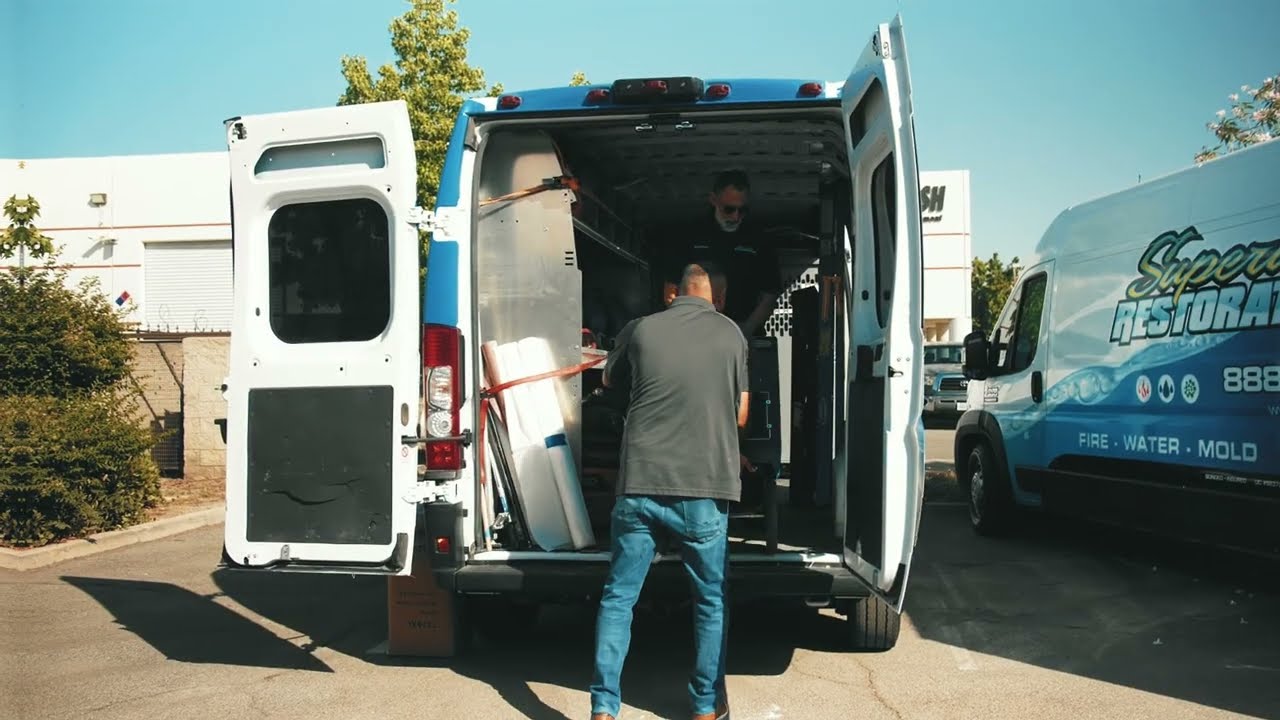





Water Damage Restoration in Temecula, CA
24/7 Emergency Response: (951) 579-4096
Superior Restoration provides water damage restoration throughout the City of Temecula from our Murrieta office at
30100 Technology Drive, just 6 miles north on the 15 freeway. Our IICRC-certified technicians reach Temecula
emergencies in 10 to 12 minutes with truck-mounted extraction equipment and commercial drying systems. We have been
restoring water-damaged homes and businesses across Riverside County since Skylar Lewis founded the company in 2010.
Why Temecula Properties Face Specific Water Damage Risks
Water damage in Temecula follows patterns no other Inland Empire city produces. Three creek systems converge near
Old Town, master-planned communities from four different decades each carry a distinct failure profile, and summer
heat above 100 degrees stresses plumbing components faster than coastal climates. Every neighborhood has its own
risk signature.
Murrieta Creek, Temecula Creek, and the Santa Margarita River
Murrieta Creek runs directly through Temecula, carrying storm runoff from the hills north of Murrieta straight
through the city center. Temecula Creek joins it near Old Town, and the Santa Margarita River forms the city’s
southern boundary. During winter atmospheric river events, all three waterways can rise simultaneously. The
confluence
zone near Old Town Temecula has experienced street-level flooding during major storms, pushing water into the
historic
Front Street district and surrounding residential areas.
Flash flooding hits the Temecula Valley harder than most people expect. The surrounding hills shed water fast
during
intense winter storms, and the relatively flat valley floor along Rancho California Road acts as a collection basin.
Properties in low-lying areas near any of the three creek systems face exterior flooding risk that standard
homeowner’s insurance does not cover — separate FEMA flood insurance is required.
Four Decades of Housing, Four Generations of Plumbing
Temecula incorporated in 1989, but development in the area started much earlier. The Rancho California Road
corridor
has homes from the 1970s and 1980s — the oldest residential plumbing in the city. Copper supply lines and cast iron
drains that have been fighting Riverside County’s notoriously hard water from Eastern Municipal Water District for
40
to 50 years. Slab leaks and corroded drain lines are routine in these older neighborhoods.
The 1990s brought the first wave of master-planned communities. Vail Ranch and Paloma del Sol went up fast, and
Redhawk became one of the area’s first large planned developments. These homes are now 25 to 30 years old. Original
water heaters, washing machine hoses, and appliance connections are well past their expected lifespan. We’re seeing
clustered failures across these neighborhoods — three or four calls from the same community in a single month, all
from the same generation of plumbing components giving out.
Harveston and Wolf Creek followed in the 2000s. Harveston’s man-made lake creates a unique microclimate with higher
humidity near the water, which accelerates corrosion on exterior plumbing components and increases mold risk when
water intrusions occur. These homes are entering their first major failure window now, with original water heaters
15
to 20 years old. Roripaugh Ranch, the newest major development from the 2010s, has the youngest housing stock, but
even these homes are seeing early appliance failures and the occasional construction defect.
Heat, Fire, and Hard Water
Temecula regularly hits 100 degrees or higher during summer months. That kind of sustained heat stresses plumbing
joints, accelerates rubber hose deterioration, and causes thermal expansion in water heater tanks. A supply hose
that
might last 15 years in a mild coastal climate fails in 8 to 10 years in a Temecula garage that reaches 120 degrees
on
a July afternoon.
Wildfire risk surrounds the city. The Santa Rosa Plateau and the hills to the east and south create a
wildland-urban
interface that puts Temecula neighborhoods in the path of brush fires. The 2004 fire season threatened the city
directly. Post-fire landscapes shed water dramatically faster during subsequent rainy seasons, increasing flash
flood
and debris flow risk for properties downhill from burned areas.
Common Water Damage Causes in Temecula
Slab Leaks in the Rancho California Corridor
The oldest homes in Temecula — those along the Rancho California Road corridor from the 1970s and 1980s — sit on
copper supply lines that have been corroding in hard water and shifting in expansive clay soil for decades. When a
pinhole leak develops beneath a slab, the early signs are easy to miss. A warm spot on the floor. An unexplained
spike
in the water bill. By the time you hear water running through the foundation, saturation has been building for days
or
weeks beneath the slab.
Water Heater Failures Across the 1990s Communities
Redhawk, Vail Ranch, and Paloma del Sol installed thousands of water heaters between 1993 and 2002. Those units are
24 to 33 years old — double or triple the 10 to 12 year expected lifespan, especially given Eastern Municipal Water
District’s hard water that accelerates tank corrosion. When a water heater fails in a two-story home with the unit
in
a second-floor utility closet or upstairs hallway, 40 to 80 gallons cascade through ceiling cavities into multiple
rooms below.
Appliance and Supply Line Failures
Rubber washing machine supply hoses installed during original construction deteriorate over 10 to 15 years. In
Temecula’s planned communities where hundreds of homes share nearly identical construction timelines, failures
cluster. We’ll get multiple calls from the same Harveston or Wolf Creek neighborhood in a single week. Braided
stainless steel replacement hoses cost about $20 and prevent the damage entirely. Refrigerator ice maker lines and
dishwasher connections fail on similar timelines.
Storm Flooding in the Creek Corridors
Properties near Murrieta Creek, Temecula Creek, or the Santa Margarita River face exterior flood risk during every
significant winter storm. Old Town Temecula — the historic district along Front Street with buildings dating to the
1890s — sits near the Temecula Creek and Murrieta Creek confluence. These older commercial buildings lack modern
drainage infrastructure and take on water during heavy rain events. Residential properties in the low areas between
Rancho California Road and the creek corridors face similar exposure.
Roof and Ceiling Failures After Santa Ana Wind Events
Temecula sees Santa Ana wind events every fall, and the gusts regularly push 50 to 70 miles per hour through the
valley. Wind that strong lifts roof tiles, tears flashing loose around chimneys and skylights, and exposes
underlayment
that was never designed to handle direct weather. The damage shows up weeks or months later, when the first winter
storm drives rain into the compromised sections. Attic insulation soaks through, drywall ceilings stain and sag, and
recessed light housings fill with water. Homes in Wolf Creek and Harveston with original tile roofs from 20 years
ago
are especially prone, and Redhawk properties with aging composition shingles see similar issues. If you had a major
wind event in October or November and notice discoloration on your ceiling in January, the connection is rarely
coincidental — schedule an assessment before the damage spreads into framing and wiring.
Our Water Damage Restoration Process for Temecula
Call (951) 579-4096. Our Murrieta office at 30100 Technology Drive is 6 miles from
central Temecula — about 10 to 12 minutes south on the 15. For emergencies in southern Temecula near the Santa
Margarita River, response times may run a few minutes longer. We respond 24/7 including weekends and holidays.
Assessment: Moisture meters and thermal imaging cameras map the full extent of water intrusion. We
check inside wall cavities, beneath flooring, and in ceiling spaces — the hidden saturation that causes structural
damage and mold when missed.
Water Extraction: Truck-mounted extractors remove standing water while containment barriers
protect
unaffected areas. For two-story cascade failures common in the 1990s and 2000s communities, we extract from both
levels simultaneously.
Structural Drying: Commercial air movers and dehumidifiers bring affected materials to target
moisture content. We take daily moisture readings. Temecula’s hot, dry summers help drying speed from May through
October. Winter events and properties near Harveston’s lake require adjusted equipment configurations to compensate
for cooler temperatures or elevated ambient humidity.
Cleaning and Sanitization: Contaminated materials get treated or removed. Storm floodwater from
the
creek corridors requires Category 3 protocols with antimicrobial treatment.
Reconstruction: Drywall, flooring, cabinetry, painting — our in-house crew handles it all. One
company from emergency call to finished rebuild.
Water Damage Restoration Cost in Temecula, CA
Restoration costs in Temecula typically range from $2,500 for a contained pipe burst to $14,000 or more for
multi-room flood events. Most Temecula homeowners pay between $3,500 and $8,500 for a standard water damage event
requiring extraction, drying, and partial reconstruction. Two-story homes in Redhawk, Vail Ranch, or Harveston with
second-floor failures tend toward the higher end due to the multi-room scope of cascading water.
Insurance covers sudden and accidental damage. Burst pipes, appliance failures, water heater ruptures. It does not
cover gradual leaks, neglected maintenance, or external storm flooding. We document everything with photographs,
moisture readings, and thermal imaging to support your insurance claim.
Why Temecula Homeowners Choose Superior Restoration
6 Miles From Our Murrieta Office: Our Murrieta location at 30100 Technology Drive puts us closer
to
Temecula than almost any restoration company in the region. Ten to 12 minutes on the 15 and we’re on site.
16 Years in Riverside County: We have restored properties across Temecula since 2010. From slab
leaks in the Rancho California corridor to cascade failures in Redhawk and Harveston — we know the specific damage
patterns this city produces.
IICRC Certified: All technicians hold certifications from the Institute of Inspection, Cleaning
and
Restoration Certification. Every job follows S500 professional water damage restoration standards.
367 Google Reviews, 4.9-Star Average: Across our offices. Reputation built job by job over 16
years.
A recent Redhawk homeowner put it simply after a second-floor water heater failure flooded three rooms: “Superior
was
on site within 15 minutes of the call, worked directly with our adjuster, and had the house dried out and rebuilt
before our neighbors finished arguing with their contractor.” — Sarah K., Redhawk
Full-Service From Extraction to Rebuild: Emergency response, structural drying, cleaning, and
complete reconstruction handled by one company. No handoffs between contractors.
Common Questions About Water Damage Restoration in Temecula
How fast can you get to Temecula?
Our Murrieta office is 6 miles from central Temecula. We arrive in 10 to 12 minutes via the 15 freeway. For southern
Temecula near the Santa Margarita River, add a few minutes. We respond 24/7 including holidays.
My home in Redhawk was built in the mid-1990s. What should I watch for?
Homes built in Redhawk, Vail Ranch, and Paloma del Sol between 1993 and 2002 are in their peak failure window.
Original water heaters are well past their 10 to 12 year expected lifespan. Washing machine hoses, toilet supply
lines, and appliance connections installed during construction are deteriorating. We respond to more calls from
these
1990s communities than any other area in Temecula.
Does insurance cover water damage from a slab leak?
Usually, yes — if the leak was sudden. Insurance covers the damage caused by the water, though it typically does
not
cover repairing the pipe itself. If the leak has been ongoing and you knew about it, the claim gets complicated. We
document every slab leak job thoroughly for insurance purposes.
How long does water damage restoration take?
Extraction and structural drying run 3 to 5 days. A single-room pipe burst is typically restored in about 2 weeks
including reconstruction. Multi-room events or second-floor cascade failures in two-story homes can take 4 to 6
weeks
for full restoration.
Is mold a bigger risk in Temecula because of the heat?
Mold colonizes within 24 to 48 hours of water exposure. Temecula’s summer temperatures above 100 degrees actually
accelerate the timeline. Homes near Harveston’s lake also deal with higher ambient humidity. Professional structural
drying with daily moisture monitoring is the best prevention. If you discover water damage that has been sitting for
more than 2 days, mold testing should be part of the restoration process.
Do you work with my insurance company directly?
We do. We document everything — photos, moisture meter readings, thermal imaging, material inventories — and
communicate directly with your adjuster. You aren’t playing middleman between us and the insurance company.
Contact Superior Restoration for Water Damage in Temecula
When water damage hits your Temecula home or business, call our 24/7 line at (951)
579-4096 or contact us online.
Serving Temecula from our Murrieta Office
Superior Restoration — 30100 Technology Drive, Murrieta, CA 92563
(951) 579-4096
CSLB License #983759 | IICRC Certified Firm
Founded 2010 by Skylar Lewis | Part of HighGround Restoration Group
Related Services in Temecula
Related Resources
Nearby Riverside County Service Areas