




With over 1.2 million swimming pools dotting backyards from Newport Beach to Calabasas, Southern California’s pool culture defines our outdoor lifestyle. Yet beneath the sparkling surfaces of these aquatic retreats, a silent crisis unfolds daily: undetected pool and spa leaks that dump thousands of gallons into surrounding soil, undermining foundations and flooding homes from below. The average Orange County pool loses 25,000 gallons annually to evaporation alone, making legitimate leaks nearly impossible to detect until catastrophic damage appears. Superior Restore encounters the devastating aftermath throughout Los Angeles County and Riverside County – luxury homes with collapsed pool decks, water-logged foundations, and restoration bills exceeding the pool’s original construction cost.
The Expensive Reality of Southern California’s Pool Infrastructure
Southern California’s aging pool infrastructure creates a perfect storm of leak vulnerabilities. Pools built during the region’s construction booms of the 1970s and 1990s now suffer from deteriorating plumbing, cracked shells, and failed waterproofing systems. The combination of our alkaline soil, seismic activity, and extreme temperature swings accelerates material degradation far beyond manufacturer expectations. Properties in older communities like Anaheim Hills, Brentwood, and La Jolla face particularly acute risks, with original copper plumbing corroding from decades of chlorine exposure and ground movement. A single pinhole leak in underground pool plumbing can release 5,000 gallons monthly, saturating soil and creating hydraulic pressure against home foundations.
The financial mathematics of pool leaks shock even affluent Southern California homeowners. Beyond astronomical water bills – sometimes exceeding $2,000 monthly in drought-conscious communities – the structural damage compounds exponentially. Saturated expansive clay soils, common throughout the Inland Empire and San Fernando Valley, swell up to 30% when wet, literally pushing homes off their foundations. Pool deck failures in hillside communities from Pacific Palisades to Mount Helix trigger landslides that threaten multiple properties. When undetected leaks finally manifest as interior water damage, homeowners discover that pool-related water damage often exceeds insurance sublimits, leaving them with massive uncovered losses.
Spa Systems: The Hidden Culprit in Luxury Home Water Damage
Modern spa systems integrated with Southern California pools create additional leak risks through complex plumbing networks and high-pressure circulation systems. Unlike simple pools, spas operate at elevated temperatures with aggressive jet pressure that stresses every component. The fashionable infinity-edge spas popular in coastal communities from Laguna Beach to Carlsbad incorporate sophisticated hydraulic systems where single component failures cascade into major leaks. These elevated spas, often perched on hillsides or integrated into multi-level deck designs, direct leak water straight into home structures rather than dispersing into yards.
The thermal cycling unique to Southern California spa usage accelerates failure rates beyond industry projections. Desert communities like Palm Desert and Rancho Mirage see 50-degree temperature swings between day and night spa usage, causing expansion and contraction that cracks rigid plumbing connections. Salt water systems, increasingly popular for their perceived health benefits, corrode metal components and control systems at rates that freshwater pools never experience. When spa automation systems fail – common in smart home integrations throughout Orange County’s newer developments – spas can overflow for hours before detection, flooding adjacent interior spaces with chemically treated water requiring specialized restoration.
The Hillside Hazard: Gravity’s Role in Pool Disasters
Southern California’s hillside pools, architectural marvels overlooking the Pacific or city lights, face unique hydrostatic challenges that multiply leak consequences. Properties in the Hollywood Hills, Palos Verdes Peninsula, and La Mesa’s Mount Helix area position pools on engineered fill or carved terraces where any water loss destabilizes carefully balanced soil mechanics. Retaining walls supporting these pools channel leak water directly against home foundations, creating pressure that conventional waterproofing cannot withstand. Infinity edge pools lose massive water volumes when catch basins crack or automatic fill systems malfunction, sending waterfalls down hillsides into neighboring properties.
The geological reality of Southern California’s terrain transforms pool leaks into community disasters. Decomposed granite slopes throughout San Diego County’s inland areas liquify when saturated, triggering slides that regulatory agencies classify as “man-made disasters” – often excluding insurance coverage. Canyon properties in areas like Topanga and Silverado face accelerated erosion when pool water follows natural drainage channels, undermining roads and utilities. The interconnected nature of hillside development means one property’s leaking pool can damage dozens of homes downstream, creating complex liability scenarios that the U.S. Geological Survey has documented in Southern California landslide studies.
Detection Challenges in Paradise: Why Leaks Hide So Well
Southern California’s perpetual sunshine paradoxically makes pool leak detection more difficult. High evaporation rates – up to half an inch daily during Santa Ana conditions – mask substantial water loss that would be obvious in humid climates. Property owners in communities from Thousand Oaks to Temecula dismiss dropping water levels as normal evaporation, unaware that underground plumbing hemorrhages thousands of gallons into surrounding soil. Automatic fill systems, standard in upscale pools, maintain water levels while silently compensating for massive leaks. By the time visible symptoms appear, structural damage often reaches irreversible stages.
Traditional leak detection methods fail in Southern California’s unique conditions. Dye tests become useless in pools with sophisticated circulation systems that disperse indicators before leak locations reveal themselves. Acoustic detection struggles with ambient noise from nearby freeways, ocean waves, or aircraft – constant factors in densely populated areas. Electronic leak detection requires pools to be drained, wasting precious water during drought restrictions while potentially damaging plaster in extreme heat. Meanwhile, sophisticated leaks in underground plumbing or equipment vaults continue destroying property values throughout exclusive communities in Rancho Santa Fe, Beverly Hills, and Corona del Mar.
The Insurance Nightmare: Coverage Gaps and Claim Denials
Pool-related water damage occupies treacherous territory in Southern California homeowners insurance policies. Insurers classify pool leaks as “maintenance issues,” invoking gradual damage exclusions that leave property owners entirely exposed. Even when sudden pipe failures occur, companies argue that pools constitute “separate structures” with limited coverage – typically $10,000 against damages that routinely exceed $50,000. The California Department of Insurance reports increasing disputes over pool-related claims, particularly in high-value communities where single-family homes feature resort-style pool complexes.
Recent insurance market hardening in Southern California has eliminated pool leak coverage entirely from many policies. Following massive losses from atmospheric rivers and earthquakes, carriers have added specific pool and spa exclusions or demanded separate liability policies that few homeowners understand they need. Properties in Los Angeles County’s fire zones face additional scrutiny, as insurers argue that pools used for fire suppression become commercial equipment outside residential coverage. When pool leaks trigger landslides or damage neighboring properties, liability claims explode beyond policy limits, creating financial devastation that proper documentation and rapid professional restoration might have prevented.
Superior Restore: Specialized Response for Pool and Spa Disasters
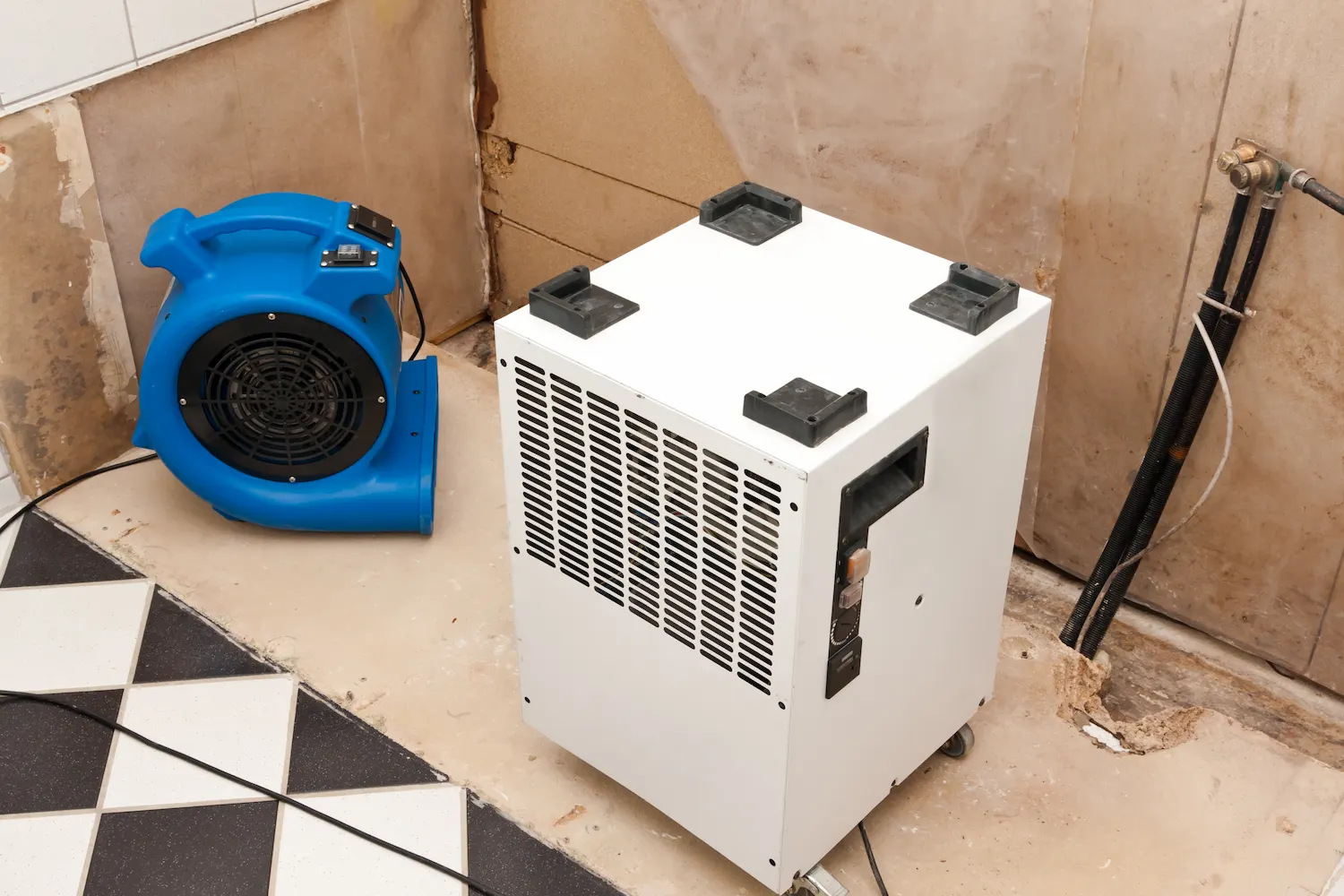
When pool and spa leaks threaten Southern California properties, Superior Restore deploys specialized teams trained in the unique challenges of chlorinated and salt water damage. Our advanced moisture mapping technology tracks water migration through complex soil stratifications common in engineered hillside lots, identifying damage patterns that standard restoration companies miss. We understand that pool chemical contamination requires different remediation protocols than fresh water damage, using specialized neutralizing agents that prevent long-term material degradation. Our documentation systems specifically address insurance coverage disputes, demonstrating sudden failure versus gradual damage through comprehensive photographic and moisture content evidence.
Time remains the critical factor in pool-related water damage throughout Southern California. Every hour that chemically treated water remains in contact with building materials accelerates deterioration that becomes irreversible. Superior Restore’s 24/7 emergency response teams mobilize immediately, implementing containment strategies that prevent pool leaks from becoming foundation failures or triggering landslides. From emergency pool draining to structural drying of saturated soils, we manage every aspect of pool and spa water damage restoration. Don’t let your backyard paradise become a financial nightmare – contact Superior Restore at the first sign of unexplained water loss, persistent deck moisture, or suspicious water bills. Our expertise in pool and spa-related water damage protects your investment and restores your property throughout Orange County, Los Angeles County, Riverside County, and San Diego County.