




When water damage strikes a Southern California home, the immediate instinct for many property owners from San Diego to San Bernardino is to grab towels, fans, and a shop vacuum. While this DIY spirit is admirable, professional water damage restoration exists for compelling financial and safety reasons that become painfully clear when amateur efforts fail. The true cost of DIY water damage cleanup in California often exceeds professional restoration by thousands of dollars, not to mention the health risks and legal liabilities unique to our state’s strict environmental and building codes.
California’s Regulatory Maze: Where DIY Meets Legal Disaster
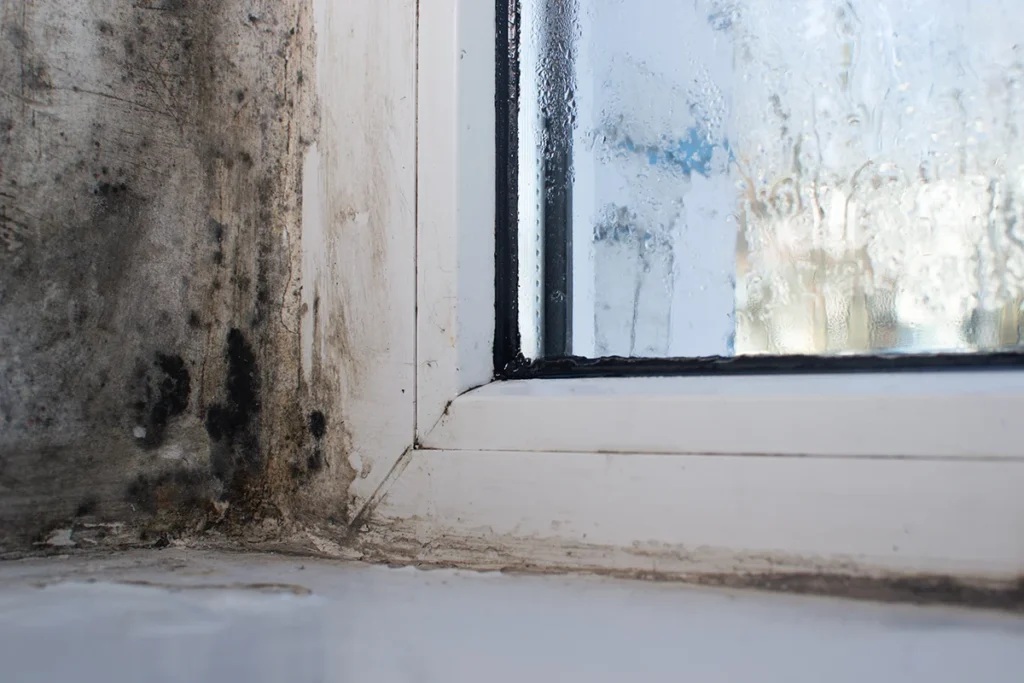
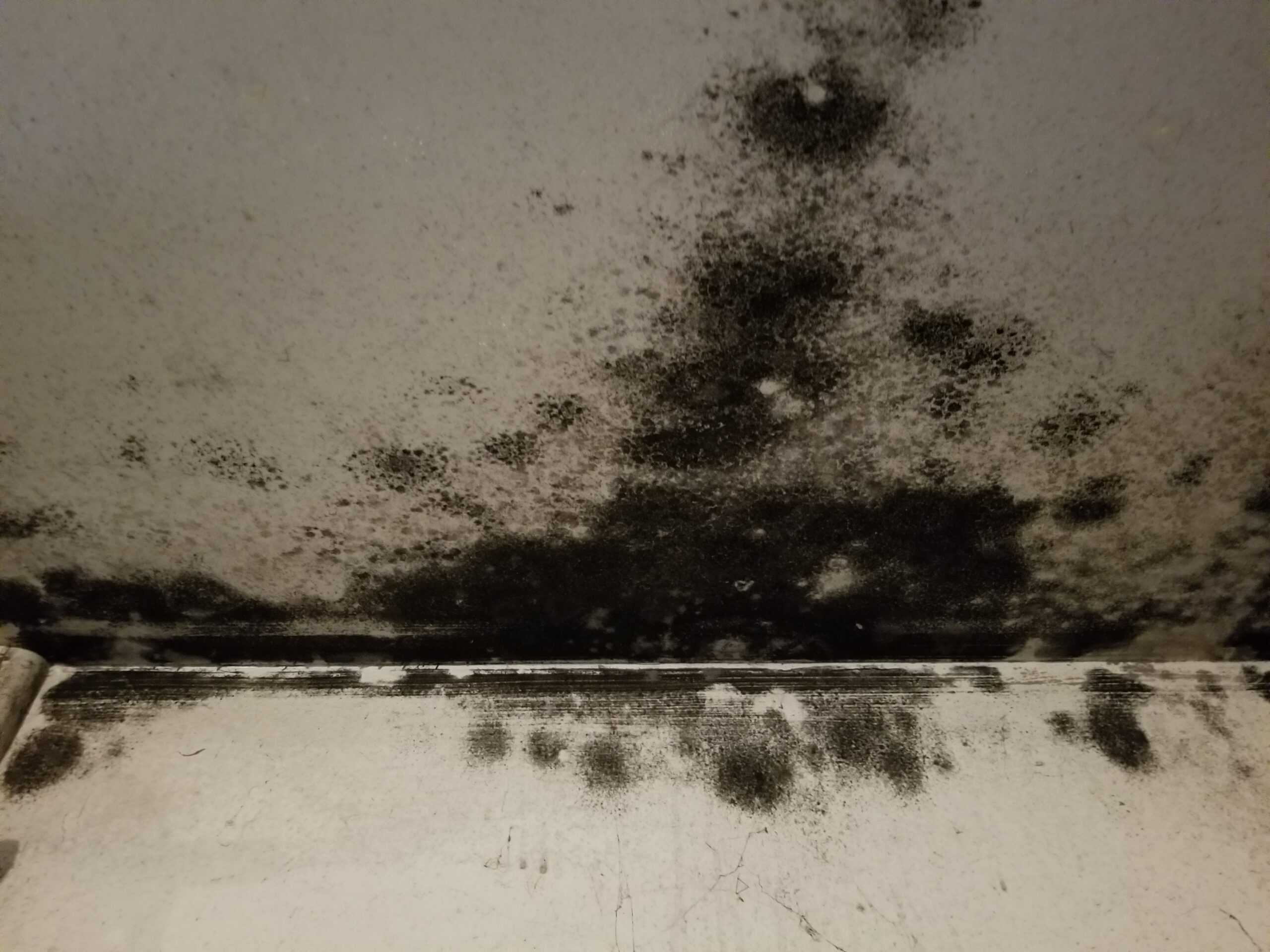
California maintains some of the nation’s most stringent environmental and health regulations, particularly regarding mold remediation and hazardous material handling. The California Department of Public Health requires specific protocols for mold assessment and remediation that DIY efforts rarely meet. Property owners in Los Angeles County who attempt DIY cleanup and later discover mold growth face potential liability issues that insurance companies eagerly use to deny claims. When selling your property, California’s strict disclosure laws require revealing all known water damage and mold issues – and amateur remediation attempts often red-flag properties during real estate transactions throughout Orange County’s competitive market.
The state’s contractor licensing laws add another expensive layer of risk. Using unlicensed workers or attempting structural repairs yourself after water damage violates California Business and Professions Code Section 7028, potentially resulting in fines up to $5,000. More critically, work performed without proper permits – common in DIY scenarios – can trigger costly code compliance issues when discovered during home inspections or insurance evaluations. One Riverside County homeowner recently faced $12,000 in retroactive permit fees and required modifications after their DIY water damage repairs were discovered during a routine insurance inspection.
The $40,000 Lesson: When Shop Vacs Meet Category 3 Water
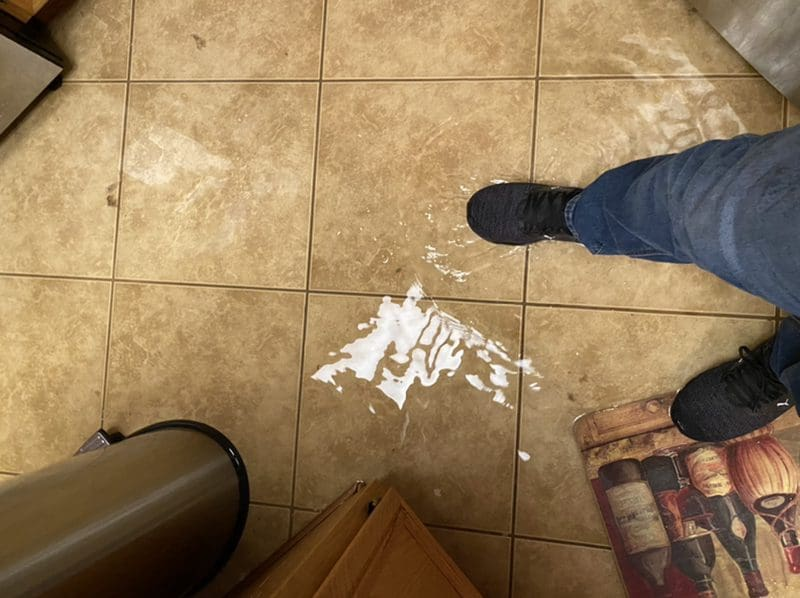
Not all water damage is created equal, a fact that becomes devastatingly expensive when DIY efforts encounter contaminated water. The IICRC S500 standards classify water damage into three categories, with Category 3 “black water” containing dangerous pathogens requiring specialized handling equipment and disposal procedures. A recent case in Newport Beach illustrates the danger: homeowners attempted DIY cleanup after a toilet overflow, unaware that the water had been contaminated by a sewer backup. Their inadequate sanitization led to E. coli contamination throughout the home’s HVAC system, ultimately requiring complete duct replacement and professional biohazard remediation totaling over $40,000 – costs their insurance would have covered with initial professional water extraction and sanitization.
Southern California’s unique climate accelerates these contamination risks. Our warm temperatures create ideal breeding conditions for bacteria and mold, with growth beginning within 24-48 hours of water exposure. DIY drying methods using household fans often spread contamination rather than contain it, pushing moisture and microorganisms deeper into wall cavities and creating what restoration professionals call “highway contamination” – widespread biological growth following air current patterns. Professional restoration teams like Superior Restore use containment barriers and negative air pressure to prevent this spread, equipment that costs thousands to rent and requires certification to operate properly.
Insurance Claim Suicide: How DIY Efforts Void Coverage
California insurance policies contain specific language about mitigation responsibilities and professional standards that DIY efforts frequently violate. Most policies require “reasonable and necessary” steps to prevent further damage – language insurance adjusters interpret as requiring professional intervention for significant water events. When homeowners in San Diego County or the Inland Empire attempt DIY cleanup, they often inadvertently void coverage by failing to document initial conditions properly, disposing of damaged materials without proper documentation, or causing secondary damage through improper drying techniques.
The financial impact extends beyond immediate claim denial. Insurance companies maintain internal databases tracking properties with water damage claims, and DIY attempts that result in recurring problems can trigger non-renewal notices or dramatic premium increases. One Pasadena homeowner saw their annual premium increase by $3,200 after repeated water damage claims stemming from incomplete DIY remediation of an initial pipe burst. Professional restoration companies provide detailed documentation that satisfies insurance requirements and protects your coverage long-term.
Structural Damage: The Expensive Gift That Keeps on Giving
Southern California’s construction methods create unique moisture challenges that DIY efforts consistently miss. Homes built on post-tension slabs, common throughout developments in Orange County and Los Angeles County, require specialized drying equipment to prevent long-term structural damage. Water trapped beneath these slabs creates vapor pressure that forces moisture upward for months, causing flooring failures, persistent odors, and eventual foundation problems. Professional restoration utilizes specialized desiccant dehumidification systems and injectidry technology that DIY rental equipment simply cannot match.
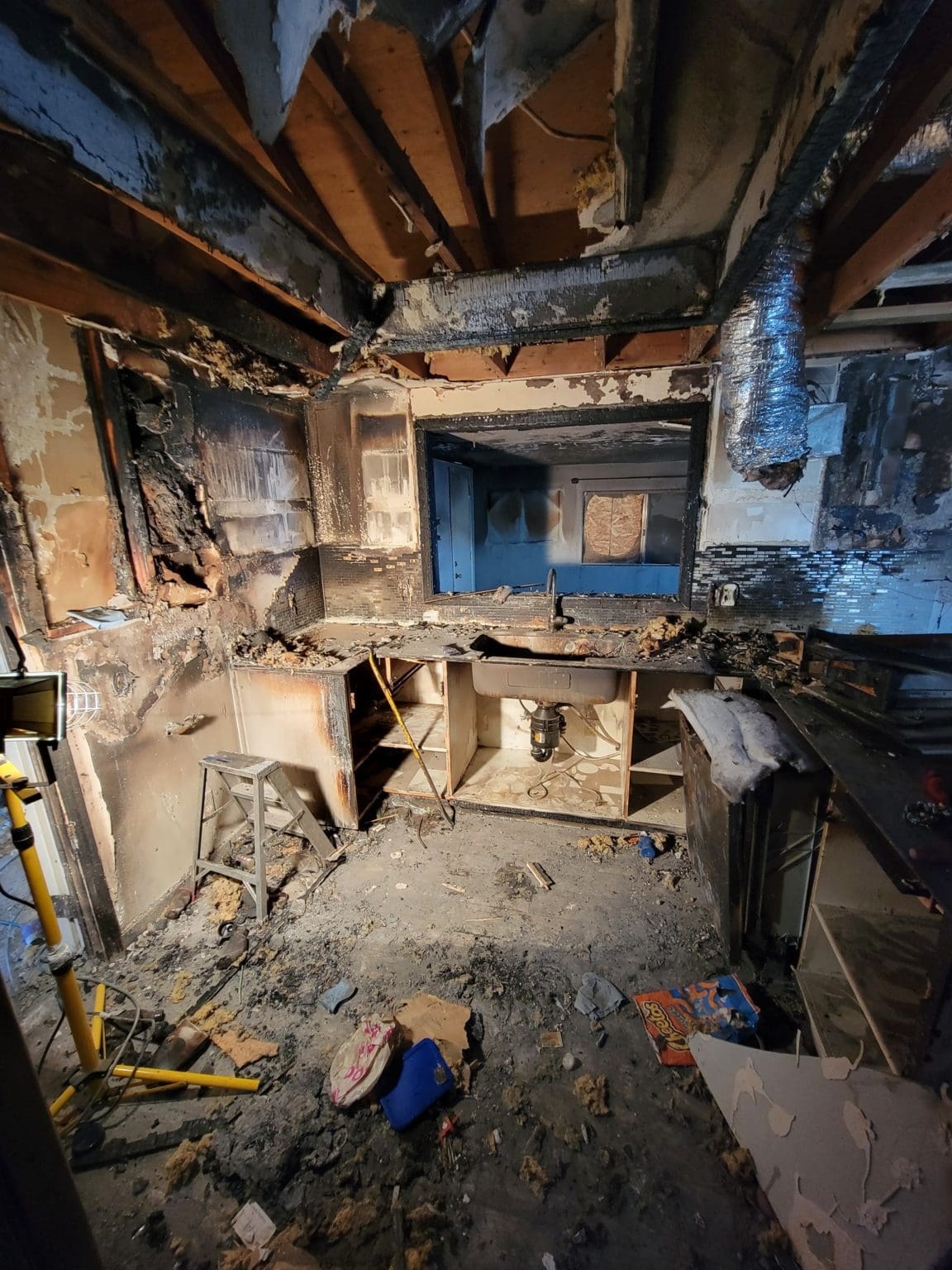
The region’s predominant stucco exteriors compound DIY failures. Water trapped behind stucco requires precise moisture mapping and strategic drying port placement to prevent rot in wooden framing members. Amateur attempts often focus on visible interior damage while moisture destroys structural components from within. The EPA’s moisture control guidelines emphasize that incomplete drying leads to exponentially more expensive repairs – what starts as a $5,000 professional restoration job becomes a $50,000 structural reconstruction when DIY efforts fail to address hidden moisture.
Health Hazards: The Ultimate Hidden Cost
California’s diverse population includes many individuals particularly vulnerable to water damage-related health hazards. The state’s aging population in retirement communities from Palm Springs to Carlsbad faces elevated risks from mold exposure, while our high rates of respiratory conditions like asthma make proper remediation critical. DIY cleanup rarely achieves the air quality standards necessary for safe reoccupation, potentially triggering health issues that generate medical costs far exceeding professional restoration fees.
Beyond immediate health concerns, improper DIY cleanup creates long-term liability issues for property owners. California’s tenant protection laws hold landlords to strict habitability standards, and DIY water damage remediation that leads to mold growth can result in expensive litigation. Recent Los Angeles Superior Court cases have awarded tenants six-figure settlements for health issues stemming from inadequate water damage remediation. Superior Restore’s certified restoration process includes post-remediation verification testing that provides legal protection and peace of mind.
The Superior Restore Advantage: Investment, Not Expense
When calculating the true cost of water damage cleanup in California, professional restoration emerges as the economically sound choice. Superior Restore’s 24/7 emergency response throughout Southern California means mitigation begins immediately, minimizing damage scope and total restoration costs. Our IICRC-certified technicians understand California’s unique regulatory requirements, ensuring compliance that protects your property value and insurance coverage. From initial water extraction through final clearance testing, professional restoration typically costs 30-50% less than failed DIY attempts when calculating total expenses including secondary damage, health impacts, and insurance complications. Don’t let water damage become a financial disaster – contact Superior Restore immediately for professional restoration that protects both your property and your wallet.