




The Overwhelming Force of Modern Fire Suppression
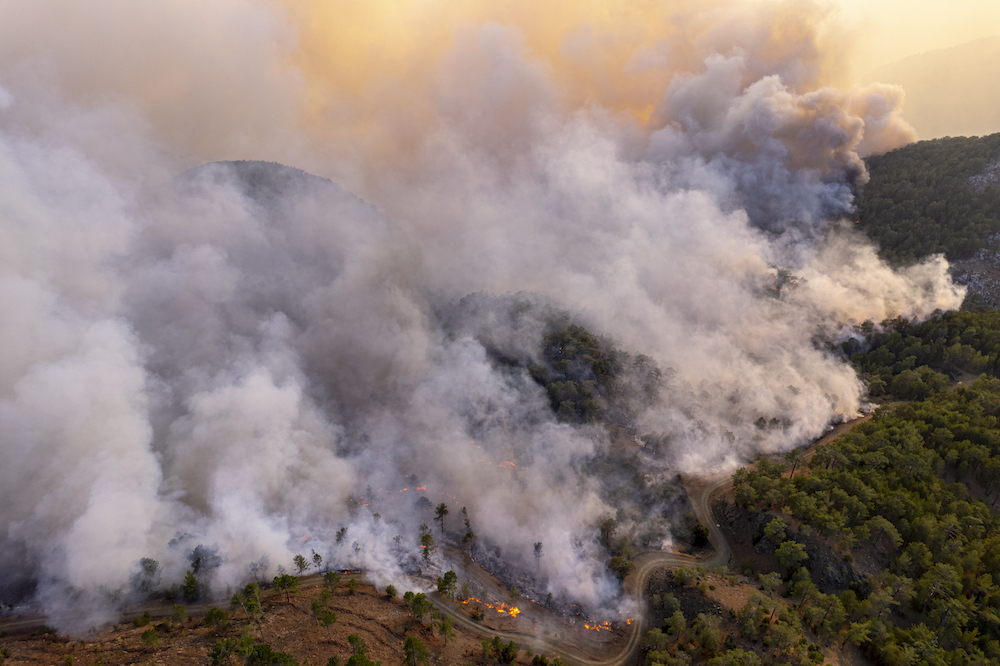
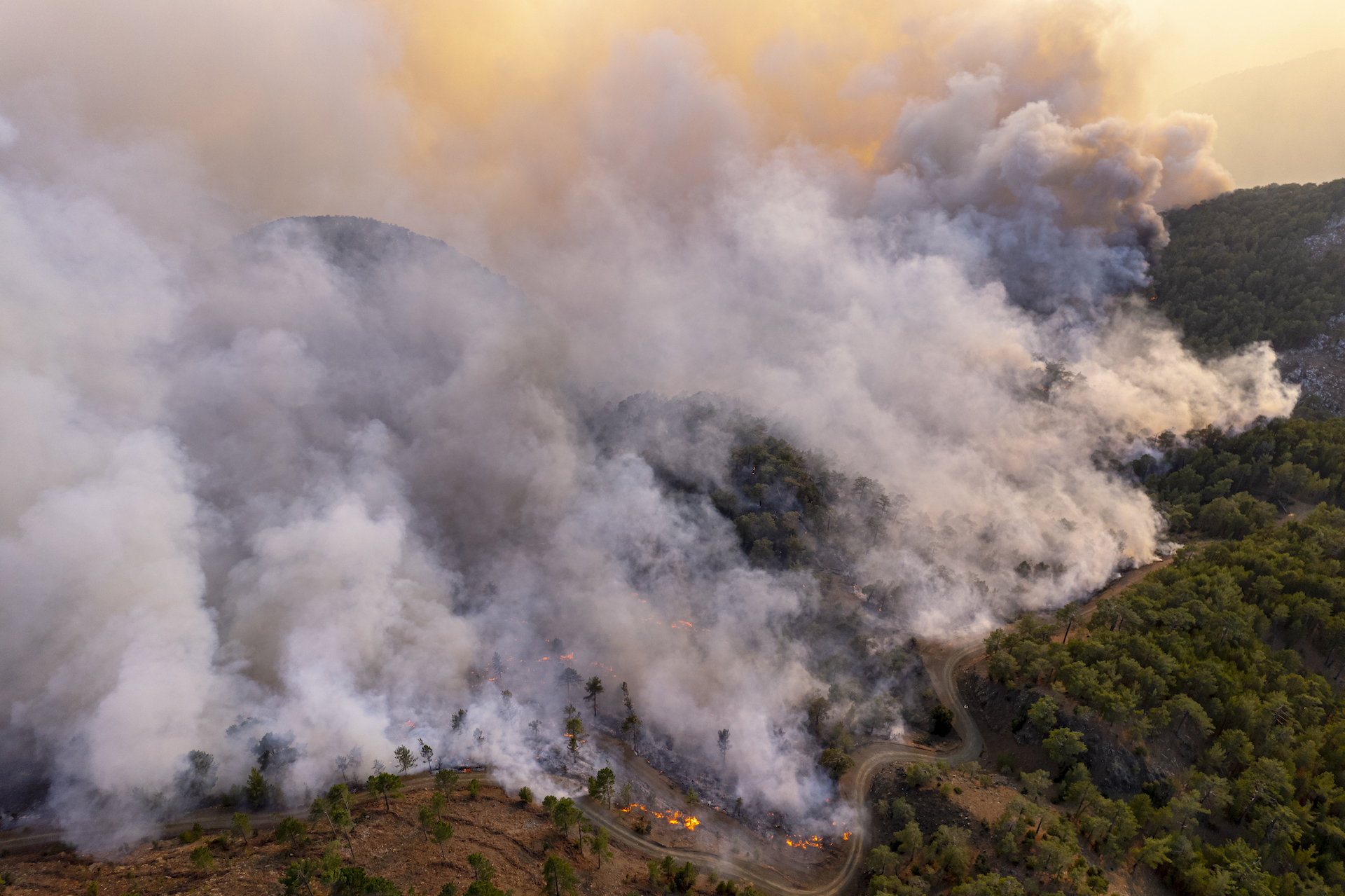
Southern California’s fire suppression tactics have evolved into a sophisticated assault involving aerial drops, ground crews, and defensive flooding that can dump millions of gallons on residential areas within hours. During the recent Palisades and Eaton fires, firefighting efforts consumed water at rates that drained entire municipal tanks, with each engine pumping 500 to 1,000 gallons per minute. When multiple engines converge on a threatened neighborhood – common practice in areas like Yorba Linda’s Hidden Hills or Altadena’s foothills – the water volume rivals major flooding events. This defensive strategy saves structures from burning but creates an entirely different disaster: catastrophic water intrusion that standard homeowners insurance may not fully cover.
The physics of firefighting water damage differs fundamentally from typical flooding. High-pressure hoses drive water through gaps that rain could never penetrate – under roof tiles, through stucco cracks, and around window frames designed for Southern California’s dry climate. Fire retardant foam, mixed with suppression water, creates a sticky substance that adheres to surfaces and continues releasing moisture for days after application. Properties in canyon communities from Laguna Beach to Glendora face particular challenges as suppression water cascades downhill, accumulating in lower-level homes that never faced direct fire threat. The specialized restoration requirements for firefighting water damage often surprise property owners expecting standard water extraction procedures.
The Chemical Cocktail: When Fire Retardant Meets Your Home
Modern wildfire suppression in Southern California involves more than just water – it’s a complex mixture of fire retardants, foam suppressants, and chemical additives that create unique restoration challenges. The iconic red slurry dropped by air tankers contains ammonium phosphate compounds that, while excellent at preventing combustion, become corrosive when mixed with water inside homes. These chemicals penetrate porous materials like drywall and insulation, creating long-term damage that continues weeks after the initial exposure. Properties throughout San Bernardino County’s mountain communities and Ventura County’s fire-prone areas regularly face this chemical contamination, requiring specialized cleaning protocols that standard water damage companies don’t understand.
The health implications of retardant-contaminated water damage extend far beyond typical concerns. U.S. Forest Service studies on fire retardant impacts reveal that prolonged exposure to these chemicals can cause respiratory issues and skin irritation, particularly in enclosed spaces where concentration levels rise. Southern California’s warm climate accelerates chemical off-gassing from contaminated materials, creating indoor air quality hazards that persist long after visible water damage is addressed. Insurance adjusters often fail to recognize the additional remediation costs associated with chemical contamination, leading to claim disputes that professional documentation from certified restoration companies can help resolve.
The Wildland-Urban Interface Dilemma
Southern California’s extensive wildland-urban interface (WUI) zones create perfect conditions for suppression-related water damage. Communities built into hillsides from Pacific Palisades to Rancho Cucamonga sit at the intersection of natural fire corridors and dense development, requiring aggressive suppression tactics that prioritize structure protection over water damage prevention. During Santa Ana wind events, when fires can jump miles in minutes, firefighters pre-soak entire neighborhoods as defensive measures. Homes in these interface zones face water damage risks even when fires burn miles away, as suppression efforts create buffer zones through systematic flooding of vegetation and structures.
The topology of Southern California’s WUI areas amplifies suppression water damage through natural drainage patterns. Canyon communities in places like Silverado Canyon and Modjeska Canyon channel firefighting runoff directly into homes positioned along natural water courses. Retaining walls, common in hillside developments throughout Los Angeles County, trap suppression water against foundations, creating hydrostatic pressure that forces water through concrete slabs. The interaction between Southern California’s decomposed granite soils and massive water volumes creates mud flows that penetrate homes in ways conventional flooding never would. These geographic factors make WUI properties particularly vulnerable to complex water damage requiring specialized restoration expertise.
Insurance Battles: The Gray Zone of Suppression Damage
The insurance landscape for firefighting water damage in Southern California exists in a regulatory gray zone that leaves homeowners vulnerable. While fire damage is clearly covered and flood damage typically excluded, suppression-related water damage falls into disputed territory. Insurance companies argue that damage from firefighting efforts constitutes “surface water” or “flood,” invoking exclusions. Yet the same policies cover fire damage that firefighting prevented, creating logical contradictions that generate lengthy claim disputes. Properties in high-fire-risk areas from Thousand Oaks to Lake Elsinore face particular scrutiny, with insurers questioning whether water damage was “necessary” or “excessive” in retrospect.
Recent wildfire suppression efforts have exposed critical coverage gaps specific to Southern California’s insurance market. After defensive operations saved neighborhoods in Orange County’s Santiago Canyon and Riverside County’s Box Springs Mountain areas, hundreds of homeowners discovered their policies excluded water damage from “governmental action.” Some insurers have added specific firefighting water exclusions following major fires, leaving property owners completely exposed during future suppression efforts. The California Department of Insurance has begun addressing these gaps, but current policyholders remain vulnerable. Detailed photographic documentation and moisture mapping by professional restoration companies becomes crucial evidence in these disputed claims.
The Secondary Disaster: Post-Suppression Complications
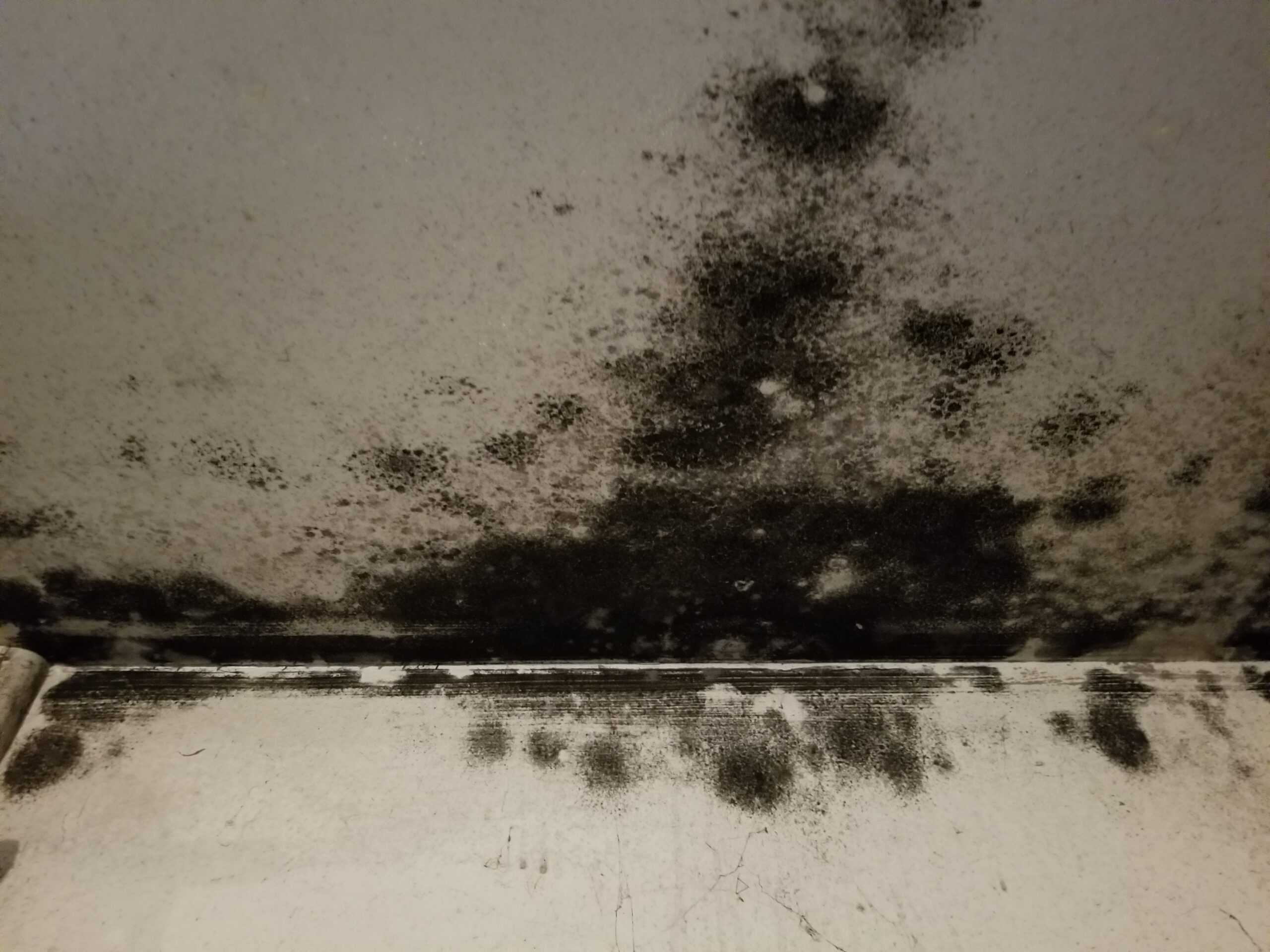
Water damage from firefighting suppression creates cascading problems unique to Southern California’s climate and construction. Unlike rain-related flooding that typically dries within days, suppression water saturated with retardants maintains moisture levels that spawn aggressive biological growth. The combination of chemicals, organic debris, and warm temperatures creates optimal conditions for toxic black mold species that standard remediation won’t eliminate. Properties in coastal areas from Malibu to Encinitas face additional challenges as salt air interacts with retardant chemicals, accelerating corrosion of metal components and electrical systems. These secondary damages often exceed initial water damage costs, particularly when not addressed within the critical first 72 hours.
The structural implications of suppression water damage manifest differently in Southern California’s predominant building types. Homes with post-tension slab foundations, common throughout master-planned communities in Irvine and Murrieta, suffer cable corrosion from chemical-laden water that compromises structural integrity. Stucco exteriors trap moisture between layers, creating hidden decay that appears months after initial exposure. Professional restoration protocols must address these region-specific vulnerabilities while racing against Southern California’s rapid evaporation rates that lock contaminants into building materials.
Superior Restore: Specialized Response for Suppression Damage
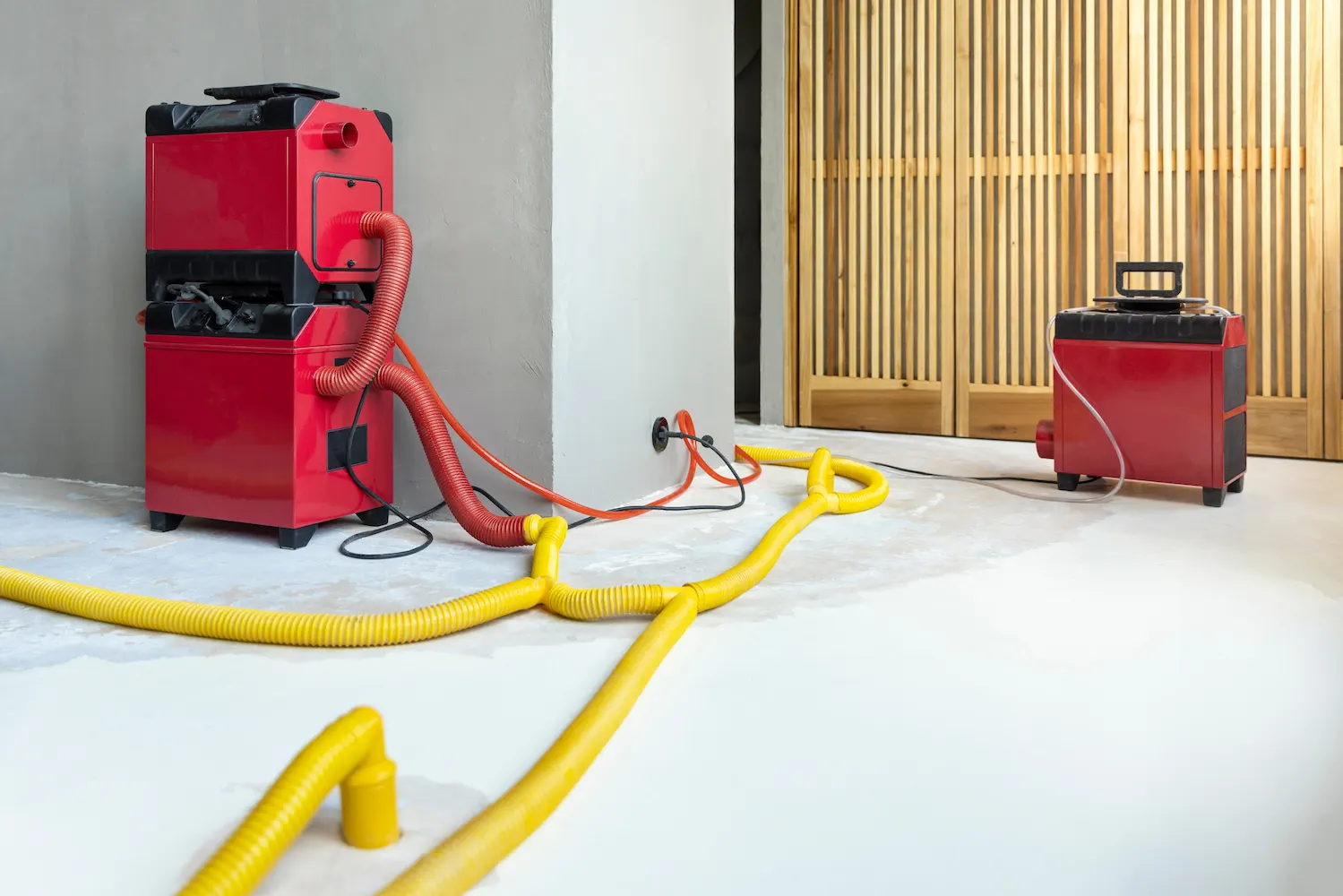
When firefighting efforts flood Southern California homes, Superior Restore mobilizes with specialized protocols developed through years of post-fire restoration experience. Our teams understand the unique chemistry of retardant-contaminated water and deploy specific cleaning agents that neutralize corrosive compounds before they destroy building materials. We document every aspect of suppression-related damage with insurance-grade reporting that distinguishes firefighting water from excluded flood damage, strengthening your coverage position. Our 24/7 emergency response capability means we’re often on-site before evacuation orders lift, beginning mitigation that prevents secondary damage from taking hold. From the Santa Ana Canyon to the Verdugo Mountains, Superior Restore has restored hundreds of homes damaged not by flames but by the water that prevented them. Don’t let firefighting suppression damage become a prolonged disaster – contact Superior Restore immediately for specialized restoration that addresses the unique challenges of fire-zone water damage throughout Southern California.